Economic

Economic Dimension
DEMCO is committed to becoming an organization that grows sustainably, with balanced consideration for economic, social, and environmental dimensions. The Company is also committed to enhancing its resilience, responding with agility and speed, and conducting its business with transparency alongside sustainable development. In addition, DEMCO supports the United Nations Sustainable Development Goals (SDGs).
During this year, DEMCO reviewed and refined its corporate strategy to strengthen performance and achieve sustainable growth. The Company has prepared to address emerging risks and established operational approaches to respond to and manage various issues, reflecting its ability to create business opportunities while adapting to global trends. With its firm commitment to conducting business in accordance with sustainable development principles—by taking environmental considerations into account (E), demonstrating social responsibility (S), and upholding good corporate governance (G)—DEMCO is able to achieve its objectives and build trust among relevant stakeholders.
Significance
DEMCO is committed to achieving sustainable development and growth on the basis of conducting business in accordance with the principles of good governance and the corporate governance practices that listed companies are expected to uphold, including morality, ethics, transparency, social and environmental responsibility, and accountability to all stakeholder groups. This also includes the prevention of corruption, bribery, and all forms of misconduct. The Board of Directors has therefore established various policies, as well as codes of ethics and conduct, in writing to serve as guidelines for the performance of duties by directors, executives, and employees.
Commitment and Approach to Corporate Governance
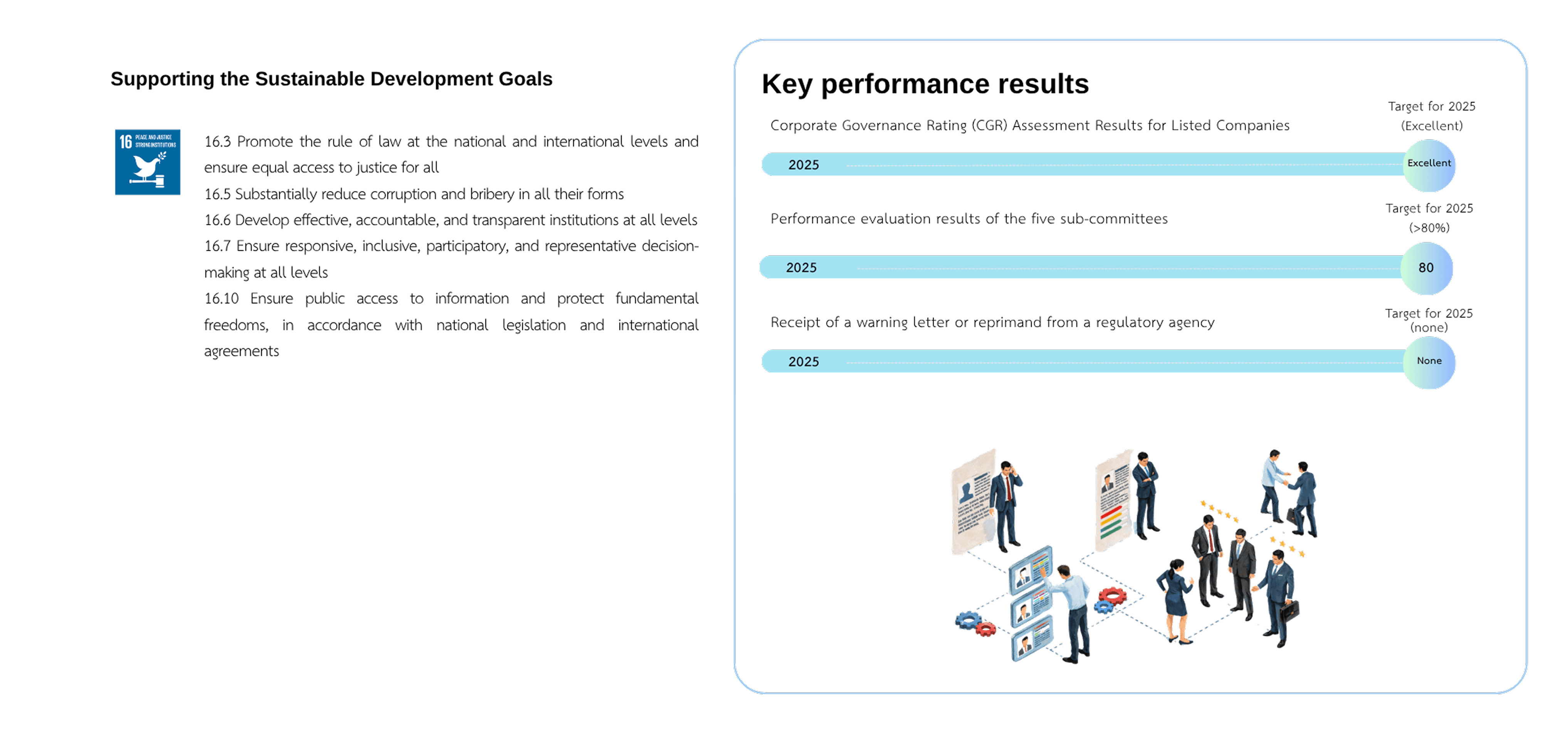
DEMCO places great importance on good corporate governance and ethical business practices, and applies recognized best practices for directors, executives, and employees of listed companies. The Company complies with applicable laws and regulations and follows the Principles of Good Corporate Governance for Listed Companies (2017), as well as relevant guidance issued by the Stock Exchange of Thailand (SET) and the Securities and Exchange Commission (SEC).
The Board of Directors consistently prioritizes corporate governance and has incorporated it as one of the performance indicators for the DEMCO Group. In addition, the Board regularly reviews and develops action plans to continuously enhance corporate governance practices in line with international standards. DEMCO’s corporate governance structure and practices are organized into four key areas:
- Shareholder rights and equitable treatment of shareholders
- The role of stakeholders and sustainable business development
- Disclosure and transparency
- Responsibilities of the Board
In 2025, Demco did not receive any warning letters and was not subject to any allegations, accusations, or charges by relevant regulatory authorities arising from non-compliance with laws, rules, regulations, or requirements applicable to its business operations. Demco remains committed to good corporate governance and maintains strict, ongoing compliance with applicable laws and regulations.
Further details on corporate governance are provided in the Company’s 2025 Annual Registration Statement/Annual Report (Form 56-1 One Report) under the section “Corporate Governance,” demonstrating DEMCO’s commitment to strengthening transparency and sustainability in business operations.
Management Structure
The Board of Directors recognizes the importance of good governance in fostering confidence among shareholders and all stakeholder groups. Accordingly, the Board places importance on the nomination of directors, the determination of the Board’s structure and roles and responsibilities, as well as the evaluation of the Board’s performance, all of which must be conducted within a framework of ethics, fairness, and the protection of the best interests of all stakeholders.
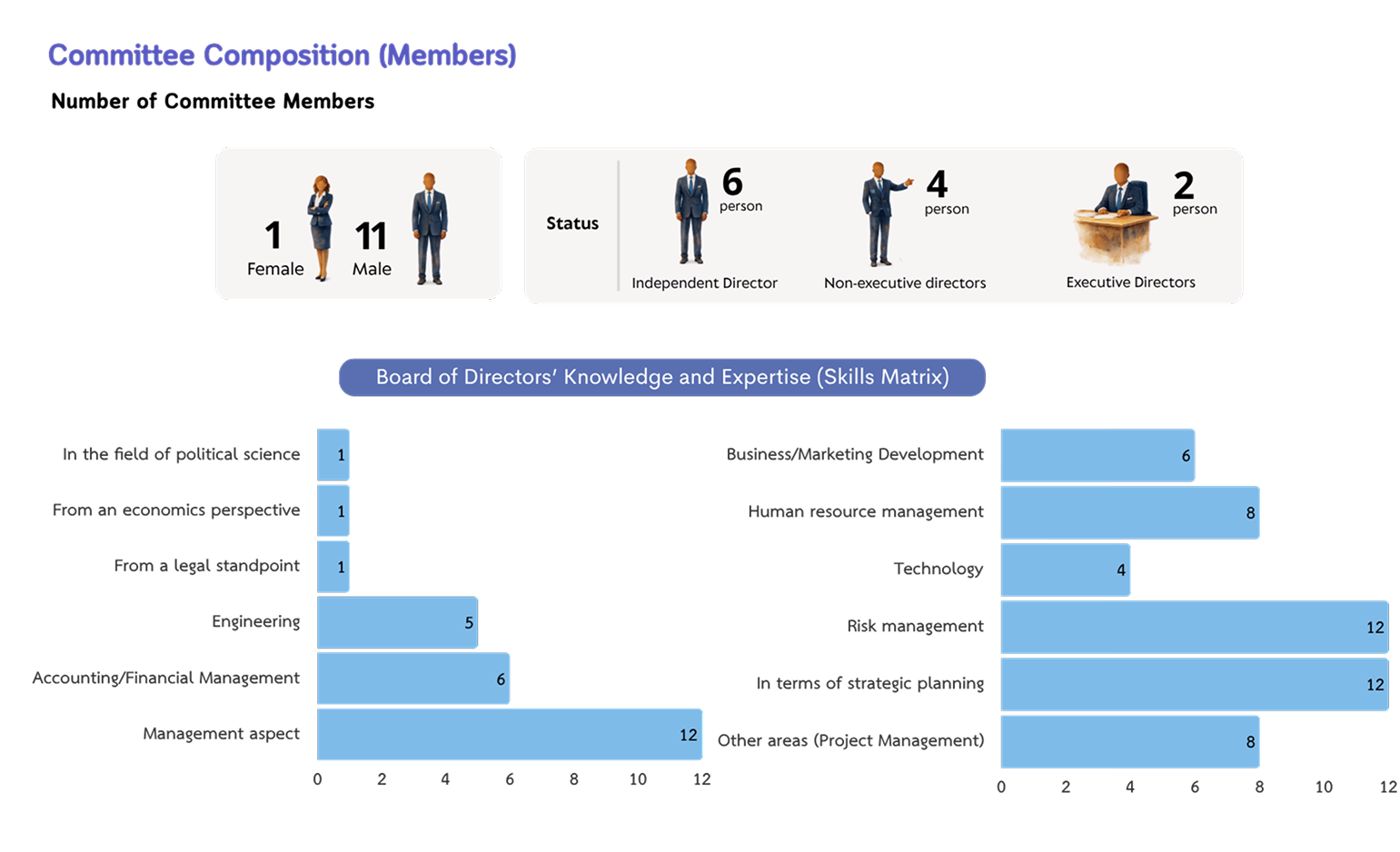
In the nomination of directors, the Board of Directors has appointed the Nomination and Remuneration Committee to undertake the duties of identifying and screening qualified candidates. Clear nomination criteria have been established with an emphasis on transparency, while giving due consideration to the diversity of directors’ qualifications, including independence, knowledge, capabilities, skills, experience, specialized expertise, as well as gender and age.
In addition, the Company has prepared a Board Skills Matrix to ensure that the overall composition of the Board is appropriate and comprises the knowledge, competencies, and experience necessary to achieve the organization’s objectives and core goals, as well as to respond effectively to the needs of all stakeholder groups. As a result, the composition of the current Board is in compliance with applicable laws and the principles of good corporate governance.
Meetings of the Corporate Governance and Sustainability Committee in 2025
DEMCO convened five meetings of the Corporate Governance and Sustainability Committee during 2025 to monitor the progress of the Company’s business sustainability initiatives against the established targets, as well as to consider sustainability issues of global interest in order to assess their potential impacts and business opportunities.
Performance Evaluation of the Board of Directors
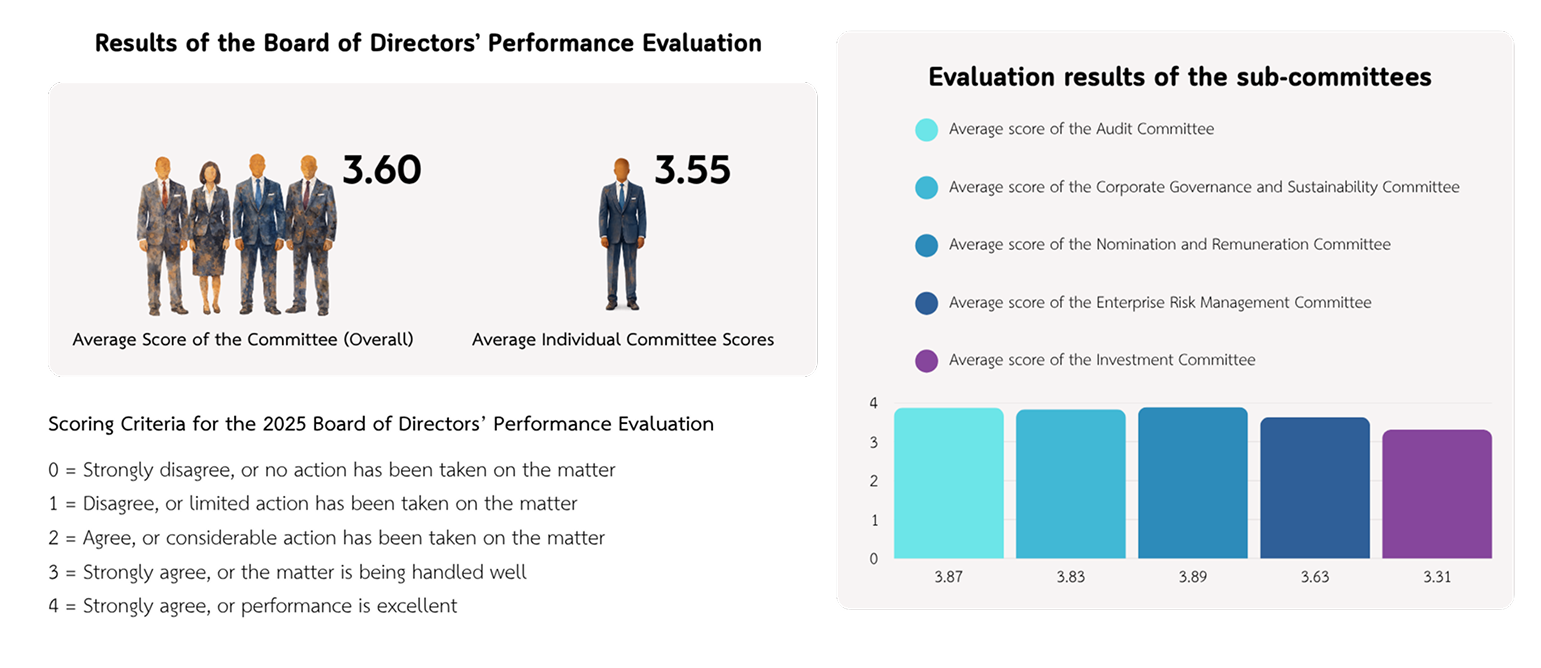
To ensure the highest level of effectiveness in the performance and continuous development of the Board of Directors, DEMCO conducts annual evaluations of the performance of the Board, its subcommittees, and individual directors. Such evaluations are carried out through self-evaluation and/or cross-evaluation methods. DEMCO takes the recommendations arising from these evaluations into account in order to enhance the effectiveness of the Board’s performance and to ensure the greatest benefit in the Company’s corporate governance. The results of the performance evaluations of the Board of Directors, subcommittees, and individual directors for the year 2025 are as follows:
Significance
DEMCO is committed to conducting business ethically by respecting rights and freedoms, protecting labor and human rights, managing conflicts of interest, ensuring transparency through information disclosure, maintaining occupational health and safety, protecting the environment, and complying with all applicable laws and regulations. The Code of Conduct for Directors, Executives, and Employees promotes a culture of good governance by setting clear guidelines and expected standards of behavior for directors, executives, and employees, ensuring that the DEMCO Group’s operations comply with relevant policies, laws, rules, and regulations.
Code of Conduct
DEMCO has established a Code of Business Conduct to ensure that all directors, executives, and employees across the DEMCO Group uphold the highest ethical standards. The DEMCO Group believes that strong ethical principles are fundamental to achieving efficient and effective performance and creating long-term value for shareholders and other stakeholders.
Ethical Organizational Culture
The Board recognizes the importance of corporate culture as a foundation for DEMCO’s long-term resilience and future business growth. A strong corporate culture strengthens the business and supports sustainable success. Accordingly, DEMCO has defined its values and corporate culture in six areas :
- Performance Culture
- Ethical Culture
- Risk Culture
- Learning and Team Culture
- Change and Innovation Culture
- Environmental, Social, and Governance (ESG) Culture
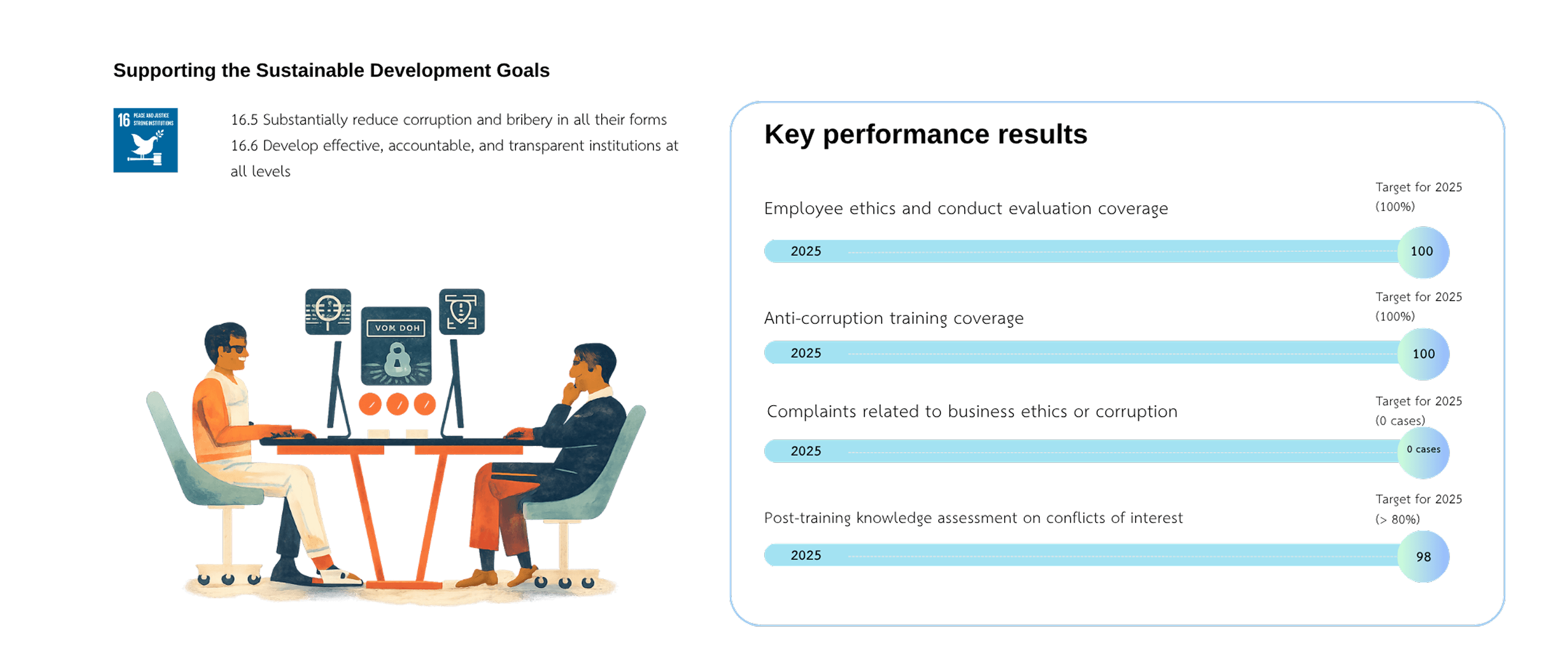
In 2025, DEMCO required all employees at every level to complete an annual Ethical Self-Assessment (100% coverage). A designated channel for completing the assessment was provided each October, and the results were summarized and reported to the Corporate Governance and Sustainability Committee. This process supports a positive corporate culture across the DEMCO Group and helps ensure effective change management in line with established policies and sustainability initiatives.
Conflict of Interest
DEMCO conducts its business in accordance with the principles of good corporate governance, ensuring that all decisions relating to transactions or activities of DEMCO and its subsidiaries are made in the best interests of the Company and its shareholders, while avoiding any actions that may give rise to conflicts of interest. Any person who has an interest in a transaction under consideration is required to disclose such relationship or interest to the Board of Directors or management and must refrain from participating in the decision-making process or approving the relevant transaction or activity.
To reinforce this approach, DEMCO has established a Conflict of Interest Prevention Policy as a guideline for all employees and provides online training (e-learning) on conflict of interest. Employees are required to complete an assessment following the training. By 2025, DEMCO targets 100% completion of the training and assessment by employees, reflecting the Company’s commitment to strengthening awareness and compliance with good governance practices.
Combating Corruption and Bribery
The Board of Directors prioritizes corporate governance within a management framework grounded in ethics, transparency, and accountability. This includes promoting a strong sense of responsibility to prevent and oppose all forms of corruption and bribery—both direct and indirect—among all personnel. DEMCO has established an Anti-Corruption and Bribery Policy and related guidelines as part of its corporate governance and ethical conduct framework. These requirements are implemented consistently and serve as a standard for all personnel across the DEMCO Group.
Guidelines on Preventing Corruption and Bribery
DEMCO has established three guidelines to prevent involvement in corruption and bribery:
- Corruption and Bribery Risk Assessment Process
- Oversight and Control Guidelines for Preventing and Monitoring Corruption and Bribery Risks
- Guidelines for Monitoring and Evaluating Compliance with Measures to Prevent Involvement in Corruption and Bribery
Risk Management of Corruption and Bribery
Demco is committed to conducting business transparently, in accordance with the principles of good corporate governance, honesty, and integrity. The Company seeks to deliver sustainable outcomes across economic, social, and environmental dimensions, while continuously generating returns and added value from investments for investors and all stakeholders. Demco emphasizes the active participation of employees, management, and the Board of Directors in driving the organization toward sustainable growth.
Effective management of corruption and bribery risks is a key mechanism supporting Demco’s achievement of its business objectives. Accordingly, the Company has developed a Risk Management Manual to guide the assessment of corruption and bribery risks within operational processes. This enables relevant departments to clearly understand the likelihood of occurrence, potential impacts, and risk details for each process.
Demco has established seven risk management processes, which include:
- Setting Objectives
- Risk identification
- Risk Analysis
- Risk assessment
- Risk management (Risk mitigation or Risk treatment)
- Risk Communication and Consultation
- Measurement, monitoring of implementation, and risk review
Collaboration with Anti-Corruption Networks
DEMCO has joined the Thai Private Sector Collective Action Against Corruption (CAC) to demonstrate its commitment to preventing and combating corruption and bribery in all forms. This commitment is reflected in DEMCO’s policies, defined responsibilities, and control measures designed to prevent corruption and bribery across all business activities of the DEMCO Group. The CAC Committee approved DEMCO’s membership on September 29, 2016, and DEMCO has continued to maintain its membership since then.
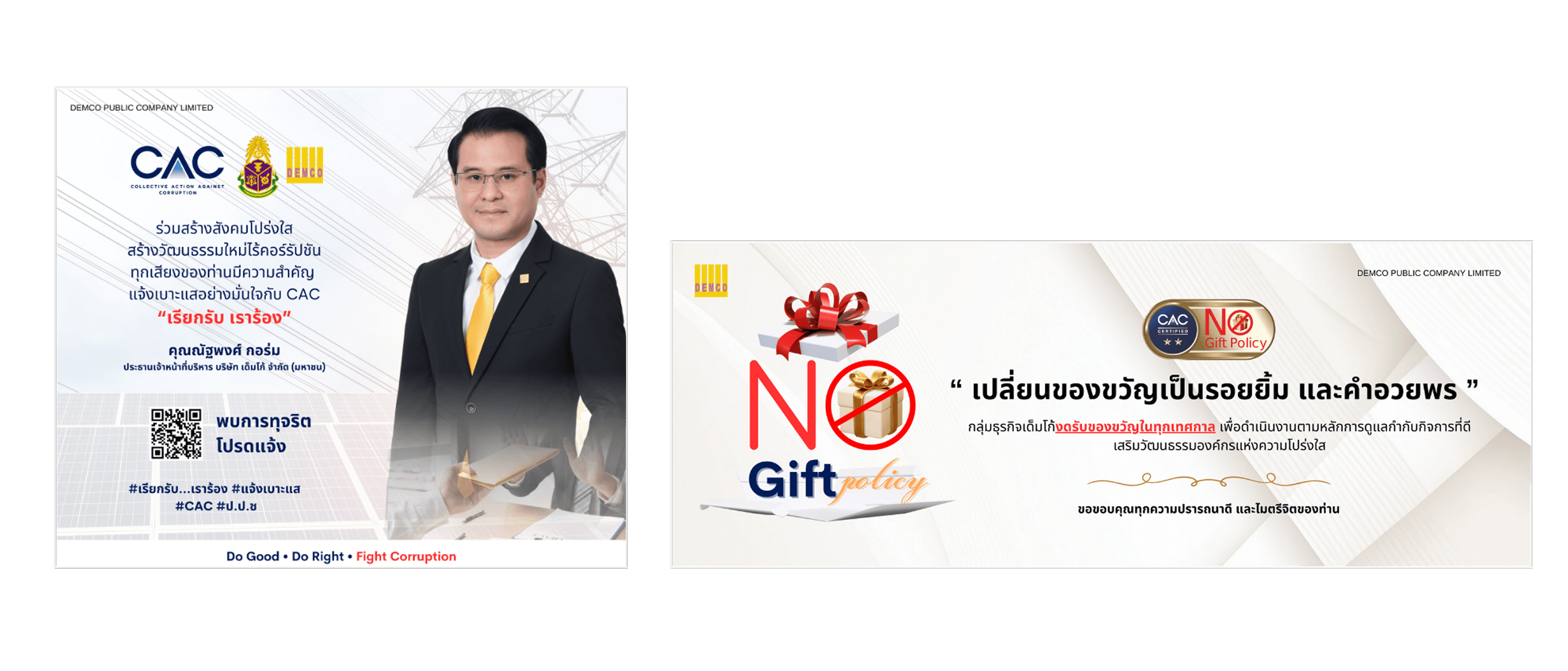
In 2025, DEMCO renewed its membership in the Thai Private Sector Collective Action Against Corruption (CAC) for the third consecutive year, reaffirming its commitment to preventing and combating all forms of corruption. The Company regularly communicates its No Gift Policy and the practices under the “We Refuse to Give Gifts” initiative to employees and stakeholders, particularly during festive seasons and other special occasions.
Anti-Corruption Performance Results
DEMCO recognizes the importance of conducting business transparently and with integrity, in line with good governance principles, to reduce fraud risks and build trust among all stakeholders. In 2025, the Company implemented the following anti-corruption measures:
- Training and workplace ethics assessments were completed for 100% of employees at all levels, including the following actions:
- Conducted workshops on ethics, business conduct, anti-corruption, and conflicts of interest for all employees.
- Developed an assessment to evaluate understanding of ethics and transparent work practices, and required all employees to complete an annual ethics and conduct assessment.
- Review and assess risks that may lead to corruption and bribery, and establish rigorous prevention and control measures.
- Publicly declare the Company’s commitment to combating corruption and invite business partners and associates to join the anti-corruption coalition through various channels (e.g., the Company website and official letters).
- Develop a corporate governance, ethics, and business conduct manual in e-book format to enable easy access via the internal website.
- Establish an intranet platform for Q&A on general information, work procedures, and policies, enabling employees to access information conveniently, quickly, and accurately.
As of 2025, DEMCO received no complaints related to business ethics violations or corruption. Nevertheless, the Company remains committed to preventing fraud and corruption in all forms, whether direct or indirect. Management sets the tone from the top and oversees and supports all employees in strictly complying with anti-corruption measures. In addition, DEMCO has established proactive anti-corruption guidelines to prevent and mitigate future risks and to foster a transparent culture of integrity and accountability toward all stakeholders.
Whistleblowing and Complaint Reporting
To ensure that the Company’s management and organizational development are aligned with the principles of good corporate governance, DEMCO has established whistleblowing channels through which employees and external stakeholders may report information or submit complaints in cases where fraud, misconduct, or violations of law are suspected. The Company has also implemented measures to protect whistleblowers. The channels for reporting fraud and misconduct are as follows:
Scope of Complaints / Whistleblowing
The following actions are suspected of violating good practices:
- Violations of the Company’s good corporate governance policy, principles, and practices
- Non-compliance with applicable laws, regulations, and the Company’s rules and bylaws
- Unfair treatment in the workplace
- Corruption-related acts, including the giving or receiving of bribes
Guidelines for Handling Complaints
- Whistleblowers/complainants may choose to disclose or withhold their identity.
- Complaints should be submitted using polite and appropriate language.
- All information received will be treated as confidential.
- DEMCO will protect the rights of whistleblowers/complainants, whether they are employees or external parties.
- The complaint must relate to a matter where the complainant or the Company has suffered hardship or damage.
- Complaints with incomplete information will be closed; however, the information will be retained in the database for record-keeping.
Responding to Complainants/Whistleblowers
- Response time: DEMCO will respond to the complainant/whistleblower within 7 business days of receipt of the complaint.
- Processing time: The processing period depends on the complexity of the matter, the sufficiency of supporting documents and evidence, and information provided by the complainant/whistleblower; however, it will not exceed 30 working days.
- Channels for receiving complaints / reporting information.
- Submit in person (Complaint box, Head Office, 2nd Floor, Building 1)
- Send the letter by mail to the Audit Office, Demco Public Company Limited.
No. 59, Moo 1, Suan Phrik Thai Subdistrict, Mueang Pathum Thani District, Pathum Thani Province 12000
- Submit complaints/reports electronically through the following channels:
- Audit Committee Email: Auditcom@demco.co.th
- Secretary of the Audit Committee Email: AC_Secretary@demco.co.th
- Corporate Governance and Sustainability Committee Email: goodgovernance@demco.co.th
- Secretary of the Audit Committee Email: Gov_Secretary@demco.co.th
- Company Secretary Email: Com_Secretary@demco.co.th
Significance
DEMCO Public Company Limited operates in the dynamic engineering and energy industry, where performance is influenced by costs, contracts, regulations, and economic conditions. Effective risk management is therefore essential to support decision-making, strengthen operations, and achieve business objectives. The Company prioritizes identifying, assessing, and monitoring risks that may affect performance, financial position, and business continuity—including emerging risks—to enhance resilience, reduce volatility, and support sustainable long-term growth.
Commitment and Path to Success
DEMCO is committed to developing and continuously improving its risk management system as an integral part of strategic planning, business planning, and day-to-day operations. This supports the achievement of business objectives, helps manage performance volatility, and enhances long-term competitiveness.
The Company has established a clear risk governance structure from the Board and executive levels to the departmental level, making risk management a shared responsibility across the organization. A Corporate Risk Management Committee sets policies and direction and oversees risk management in alignment with corporate strategy, while the Risk Management function serves as the central unit to support, coordinate, monitor, and regularly report risk management performance to senior management and the Board.
DEMCO’s approach is based on the COSO ERM Framework and covers enterprise, departmental, and project-level risks. It links risk assessment to decision-making, project selection and execution, cost management, and profitability. The Company also prioritizes emerging risks and strengthens business continuity through Business Continuity Management (BCM) and Business Continuity Plans (BCP) to address potential operational and financial impacts, while promoting a risk-aware culture embedded in daily work to support stable and sustainable long-term growth.
Organizational Risk Management Guidelines
DEMCO is committed to enterprise-wide risk management and applies the COSO Enterprise Risk Management—Aligning Risk with Strategy and Performance (2017) framework to maintain risk within acceptable levels and support efficient business operations. The Company has established an Organizational Risk Management Policy as a systematic guideline, aligned with principles of good corporate governance and sustainable development. The Policy promotes the integration of risk management into decision-making at all levels and fosters a strong risk-aware culture. It also emphasizes employee awareness of uncertainties that may affect the Company, transparent disclosure of relevant risk information, and continuous improvement of risk management processes. In addition, the Company places importance on understanding sustainability-related risks that may affect business resilience and continuity, while balancing growth and risk considerations to support long-term sustainability goals.
Risk Management Structure
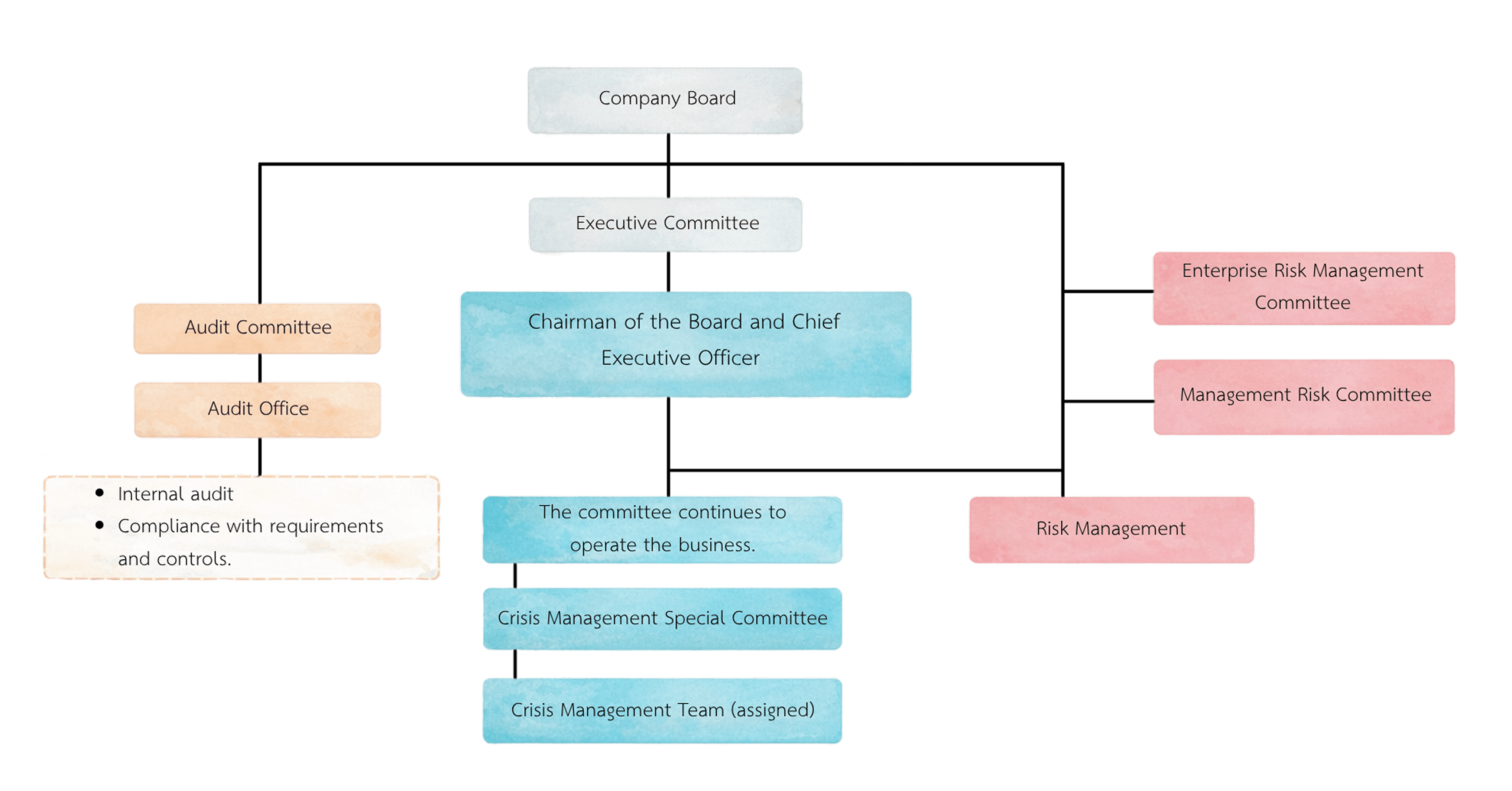
Risk Management Process
- Identifying Risks
The Company considers and identifies potential risk factors that may affect the business, both internally and externally, across six key risk areas: strategic; financial, accounting, and budgetary; operational; regulatory compliance; emerging; sustainability (ESG); and ad hoc event risks.
- Risk Assessment
Risks are assessed by evaluating (1) the likelihood of occurrence and (2) the potential impact on the organization. Each risk factor is rated using a Likelihood Score and an Impact Score. The Company then consolidates and prioritizes identified risks across the six risk categories.
- Risk Response
Develop a risk management plan by selecting appropriate strategies to manage each type of risk and opportunity, in order to align with the organization's goals.
- Monitor and control risks
Assign responsibilities and establish reporting and monitoring measures to evaluate potential risks and maintain them at a low or acceptable level.
- Monitor and control risks
Risk management performance is reported to the Board of Directors for oversight, review, and guidance. This includes a review of the adequacy of the risk management system and the effectiveness of risk management, to inform risk identification and assessment for the following year.
Performance Results
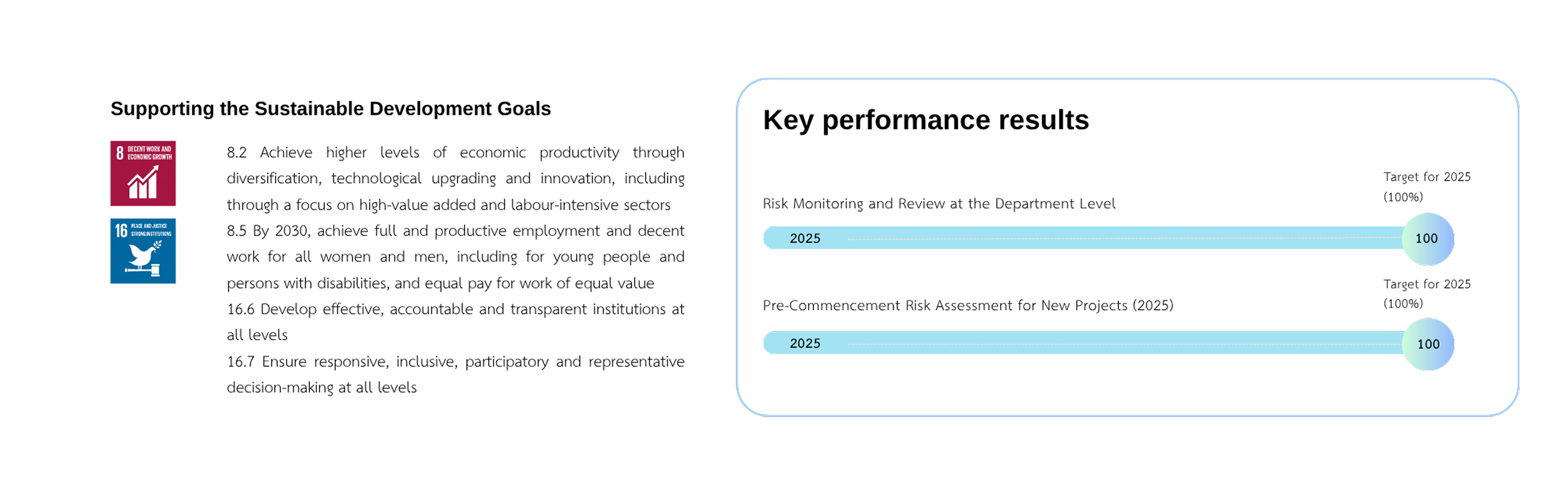
In 2025, DEMCO’s Risk Management Department reviewed and updated the annual risk management plan, covering key business risks, performance indicators across relevant functions, and the integration of Risk Appetite and Risk Tolerance into the plan. The Department also reviewed sustainability-related risks (ESG risks) and corresponding management approaches to enhance the comprehensiveness of the Company’s risk management. In addition, a Project Risk Management Manual was completed, integrating risk management with project management practices in line with international standards. This supports systematic and effective risk management by relevant stakeholders and ensures that DEMCO’s core activities are subject to structured risk assessments and appropriate preventive measures tailored to project characteristics. These efforts provide an important foundation for strengthening organizational resilience and operational efficiency. The Company emphasizes oversight of the adequacy of the risk management system by the Audit Committee (AC) and review of its effectiveness by the Board of Directors, ensuring that risk management tools are applied to support business performance in a practical and measurable manner.
Emerging Risks
DEMCO assessed potential emerging risks, focusing on the following key issues:
- Information technology (IT) threats and cybersecurity
The Company conducts ongoing assessments of emerging risks, with a focus on information technology (IT) threats and cybersecurity. This includes risks arising from cyberattacks or other incidents that could lead to data breaches, damage, disruption, or unauthorized access to IT systems, data, and digital infrastructure. Such risks may affect the Company’s operations, reputation, and financial performance.
Management Approach :
DEMCO has established an Information Technology (IT) Risk Management Policy that provides a framework for overseeing and managing IT systems and related risks. The Policy covers key aspects of IT risk management and aims to ensure that employees are equipped to manage such risks. During the reporting period, the Company delivered training for employees on topics such as “Understanding Online Scams and Threats” and “Using AI in the Workplace” to enhance knowledge, awareness, and safe practices when accessing data via external platforms and applications. In addition, the Company defines data access rights based on roles and responsibilities. To strengthen data protection, the use of flash drives (removable storage devices) for data storage is prohibited, and any data copying or recording requires prior written permission and approval.
- ESG-related Risks (Environmental, Social and Governance)
ESG expectations and requirements are becoming increasingly stringent, driven by regulators, as well as the expectations of investors, customers, and other stakeholders, including standards for sustainability and greenhouse gas (GHG) disclosure. As a result, organizations must adapt their business processes, resource management, and supply chain practices to align with international standards. These rising requirements may increase operating costs due to process improvements, supplier management, and investments in environmentally friendly technologies or systems. If ESG issues are not managed effectively, the Company may face adverse impacts on its image and credibility, reduced access to funding, limited ability to participate in future investment projects, and heightened legal and compliance risks that could affect long-term operations.
Management Approach :
Demco integrates sustainability risk management into its enterprise risk management system by establishing clear ESG policies, goals, and performance indicators. The Company has developed systems to monitor and report resource consumption and GHG emissions in line with international standards. Demco also promotes responsible supply chain practices that address environmental and social considerations, while fostering awareness and engagement among employees and business partners to support sustainable business operations, strengthen competitiveness, and build long-term stakeholder confidence.
Strengthening Risk Management Culture
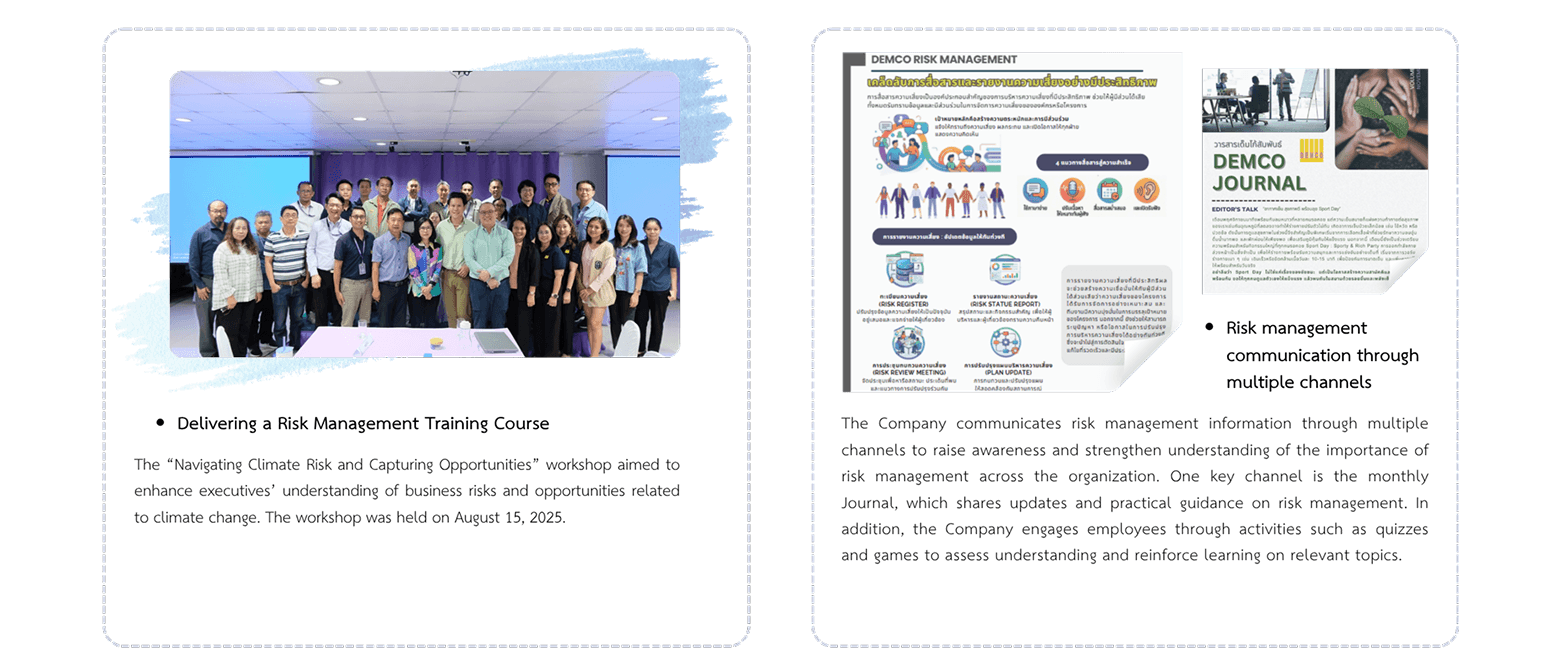
DEMCO focuses on building risk management awareness and understanding among executives and employees at all levels. This is supported through the development of risk management policies and guidelines, including the Risk Management Manual, the Business Continuity Plan (BCP), and the Fraud and Bribery Risk Management Manual. In addition, the Company provides training through online (e-learning) modules and practical workshops to strengthen relevant knowledge and skills, enabling personnel to apply them effectively in their work. As a result, risk management has been embedded as an integral part of the Company’s culture and is practiced consistently within day-to-day work processes.
In 2025, the following activities were conducted to promote a risk management culture:
Significance
Given the current risk landscape, DEMCO’s business operations may be exposed to significant risks across several areas. While the Company has a systematic risk management system in place, certain risks may be difficult to avoid, such as those arising from natural hazards and environmental changes, terrorism, sabotage, cyberattacks, and pandemics. These risks may affect business operations, reputation, and stakeholder trust.
Accordingly, the Company recognizes the importance of Business Continuity Management (BCM) and the Business Continuity Plan (BCP) to strengthen operational resilience and enable timely continuation or recovery of critical operations during crises. DEMCO has implemented a BCM system aligned with ISO22301:2012, covering key processes such as identifying critical business functions, conducting business impact analysis (BIA), assessing risks, developing BCPs, and conducting BCP exercises.
In addition, the Company has established a Crisis Management Steering Committee to monitor situations, report progress on response action plans, and provide direction and support to relevant teams during crisis events. Supporting teams include the Crisis Working Team (CWT), which conducts business continuity drills annually.
Management Approach
The Company’s Business Continuity Management (BCM) focuses on restoring essential core processes that affect stakeholders within an acceptable timeframe during a crisis. Other supporting processes that are not immediately critical are restored in subsequent phases.
Overview of Operations in 2025
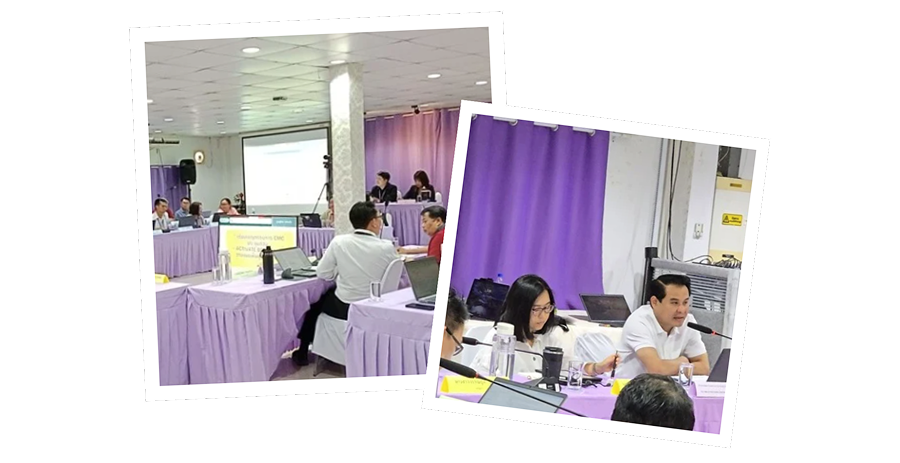
In 2025, DEMCO reviewed and updated its Business Continuity Plan (BCP) by conducting an emergency notification drill (Call Tree) under a simulated earthquake scenario affecting the office structure and power transmission lines. The drill tested both online and offline communication procedures, as well as crisis response protocols. Following the drill, the Company compiled key issues, recommendations, and feedback to further enhance the BCP and strengthen emergency preparedness, supporting business continuity and timely recovery of operations.
Significance
DEMCO is committed to a robust tax management approach that supports value creation and ensures accurate and timely tax payments in compliance with applicable laws and regulations. The Company aligns tax planning and tax-related operations with relevant standards and best practices, while upholding transparency, fairness, and accountability. This approach is grounded in good corporate governance, business ethics, and sustainability principles, with the objective of supporting long-term economic growth alongside balanced social and environmental development.
Tax Management Approach
- The Company is committed to tax management in compliance with the tax laws and regulations of the countries in which it operates.The DEMCO Group applies prudence and transparency as guiding principles in tax matters, including in situations where tax laws or guidance are unclear.
- Guidelines are in place to ensure accurate and complete tax filings and timely refund claims in accordance with applicable laws and requirements.
- A comprehensive internal control system is in place for processes related to tax obligations and tax payment management.
- Tax-related financial information is prepared and disclosed accurately, including current and deferred income tax, and is subject to independent external audit as part of the Company’s audited financial statements.
Overview of Operations in 2025
To ensure accurate, transparent, and legally compliant tax operations—and to reduce the risk of tax calculation errors, penalties, and surcharges—DEMCO enhanced its tax processes (VAT and CIT) and financial planning in 2025 to support business growth, as follows :
- Prepare financial forecasts aligned with the Company’s strategic plan; report budget performance; manage and allocate dividend-derived cash flows to support investment projects; and monitor and report financial performance to the Executive Committee on a monthly and quarterly basis.
- Hold regular meetings with project teams to monitor revenue recognition and invoicing plans, and to follow up on overdue accounts receivable.
- Implement financial restructuring by addressing cash flow mismatches through a review of funding sources. As a result, cash flow mismatches were reduced from 2024 onward, and long-term loan facilities were secured to support investment in three projects totaling THB 39.92 million.
- Prepare for the development and disclosure of ESG- and climate-related financial information (ESG Financial Disclosure) in accordance with applicable guidelines and requirements.
These improvements enhance tax management efficiency, support organizational growth, and strengthen long-term compliance with applicable tax laws.
Significance
DEMCO is committed to embedding innovation as part of its corporate culture. The Company therefore promotes creative thinking and innovation management as key drivers of business growth. These capabilities help enhance operational efficiency and effectiveness, supporting DEMCO’s long-term sustainability.

Commitment and Goals
DEMCO recognizes the importance of strengthening employees’ innovation capabilities. Creative thinking and innovation management are key drivers of business growth, enhancing operational efficiency and effectiveness and supporting sustainable operations. Accordingly, the Company promotes and supports the application of creativity and innovation across work processes to create value, respond to rapidly evolving customer and stakeholder expectations, and strengthen competitiveness. DEMCO also encourages systematic innovation and knowledge management throughout the organization.
Policies for Creativity Promotion and Innovation Management
DEMCO prioritizes fostering creativity and innovation management as key drivers of efficient business growth and tangible outcomes. The Company focuses on strengthening creative thinking, encouraging knowledge sharing among employees, and creating value by responding to market needs and anticipating trends. This enhances adaptability in a rapidly changing environment.
To ensure alignment and maximize organizational benefits, DEMCO applies a systematic approach that connects innovation with knowledge management. To strengthen corporate culture, the Company has established guidelines to continuously promote an innovative culture through the “Change and Innovation Culture” process. This approach emphasizes change awareness and idea generation, and supports collaborative learning while leveraging appropriate technologies and digital tools across communication, operations, and system development to enhance competitiveness and improve operational quality and efficiency.
During the reporting period, DEMCO conducted activities to strengthen the innovative culture and improve work efficiency in both the short and long term. These activities included collecting employee feedback, facilitating cross-functional knowledge exchange, and providing opportunities to present new ideas that can be further developed into practical applications. As a result, teams have been able to work more agilely and efficiently, and employees are provided with a platform to continuously demonstrate their potential and creativity.
Guidelines for Fostering an Innovation Culture
To strengthen its corporate culture, DEMCO has established guidelines to continuously promote a culture of innovation. The approach focuses on raising awareness of change and generating new ideas through the “Change and Innovation Culture” process, fostering systematic and collaborative learning. In addition, the Company encourages the use of appropriate digital technologies and tools across all levels—from communication and operations to system and process development—to maximize benefits, enhance quality, improve operational efficiency, and strengthen long-term sustainable competitiveness.
Performance Results
In 2025, DEMCO further developed and implemented three innovation projects under the “Innovation Year” initiative. These projects built on innovations introduced in 2024 and expanded their practical application across the organization. In addition, the Company provided innovation training for employees to strengthen understanding and enhance capabilities to continuously develop and apply innovation across all departments.
1. Power Apps | E-Approval
DEMCO has developed a fully online document management and approval system through Power Apps (“E-Approval”), reducing paper use and streamlining multi-level approval workflows. Electronic forms and online approvals enable faster submission, storage, retrieval, and access to information. The system has been extended to HR processes, supporting online requests such as referral letters and allowance claims and strengthening verification and review.
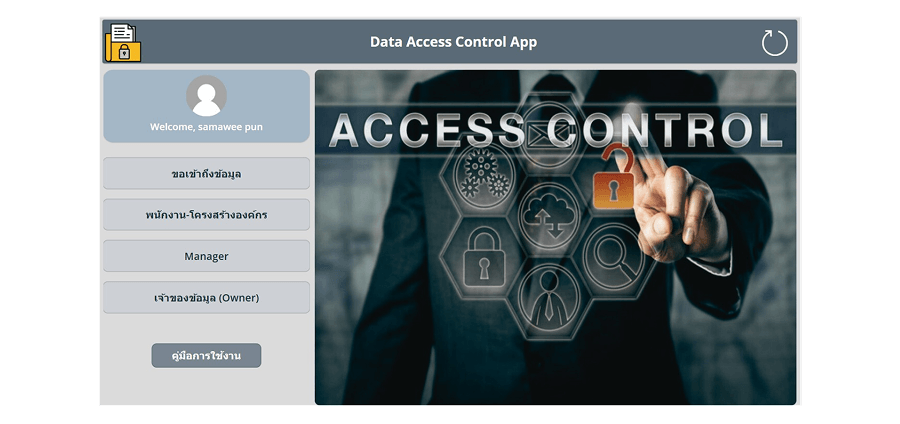
In addition, E-Approval supports key internal approval workflows, including IT documentation, petty cash, data access requests and controls, personal vehicle usage, and building/company entry and exit. Access management is supported through identity verification measures such as facial recognition and vehicle registration checks.
2. Dashboard
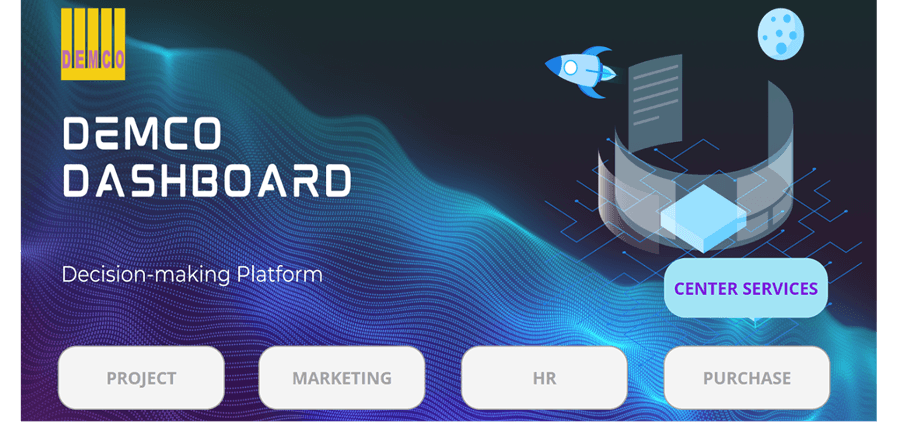
Building on the original dashboard, which initially covered three departments, DEMCO expanded its scope to five departments to provide a more comprehensive overview of performance monitoring and data management. The dashboard is now used by the Project, Marketing, Purchasing, HR, and Center Service functions. This expansion supports faster and more transparent reporting, improves data analysis and decision-making, and aligns with the Company’s objective of enhancing operational efficiency.
3. Standard Application
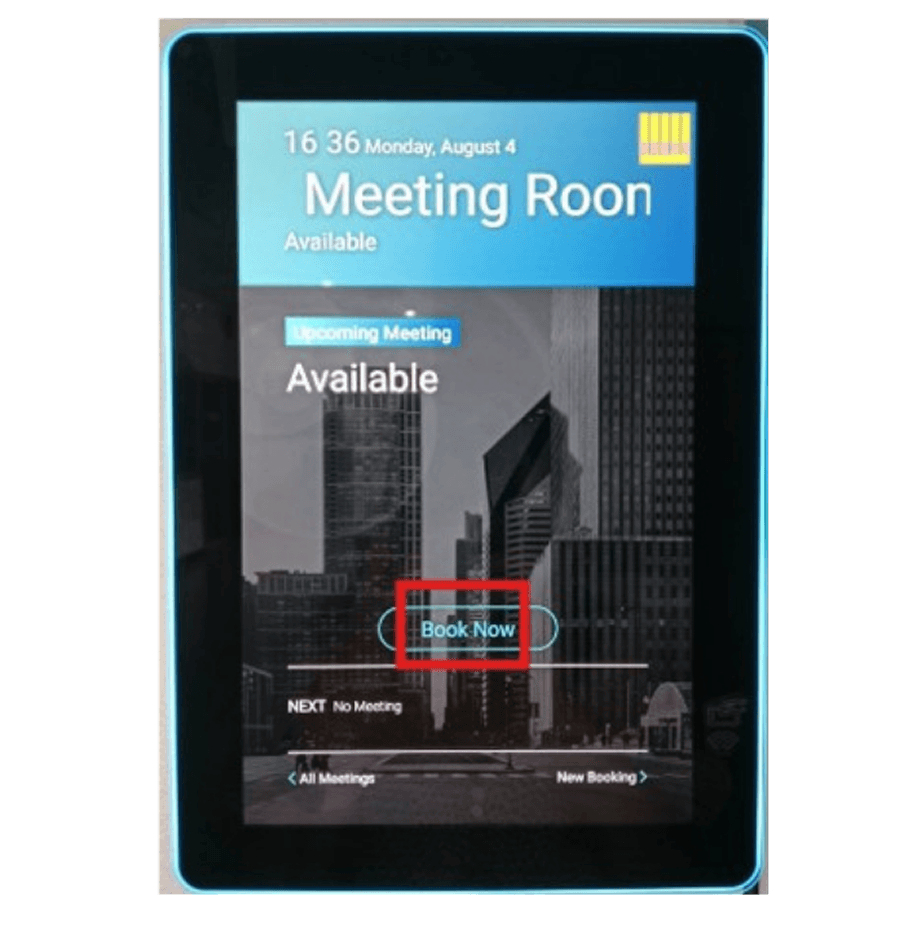
The Stand Application on the Microsoft 365 platform is used to support meeting room reservations, improving convenience and establishing a more systematic approach to room management. Employees can view real-time meeting room availability and make bookings directly, reducing repetitive coordination.
The system sends email confirmations and automatic reminders,helping minimize missed meetings and prevent double bookings. Designated personnel can easily monitor reservation status and adjust schedules as needed, improving overall efficiency.
As a result, meeting room resources are utilized more effectively, and booking records can be reviewed retrospectively.
Significance
DEMCO considers sustainable supply chain management a key aspect of its business operations, as it supports effective partner relationships, strengthens competitiveness, and helps mitigate risks arising from partners’ operations. To promote sustainable business growth, the Company applies a comprehensive supply chain management approach covering partner selection, quality control of materials, goods, and services, annual performance evaluations, and ongoing engagement with stakeholders across the supply chain. This approach aligns with DEMCO’s commitment to transparent business practices with its partners.
Supply Chain Management Guidelines
DEMCO has developed a sustainability-focused partner management process to ensure that partners across the DEMCO Group follow a unified approach. This includes establishing a Supplier Code of Conduct and Guidelines covering Environmental, Social, and Governance (ESG) expectations.
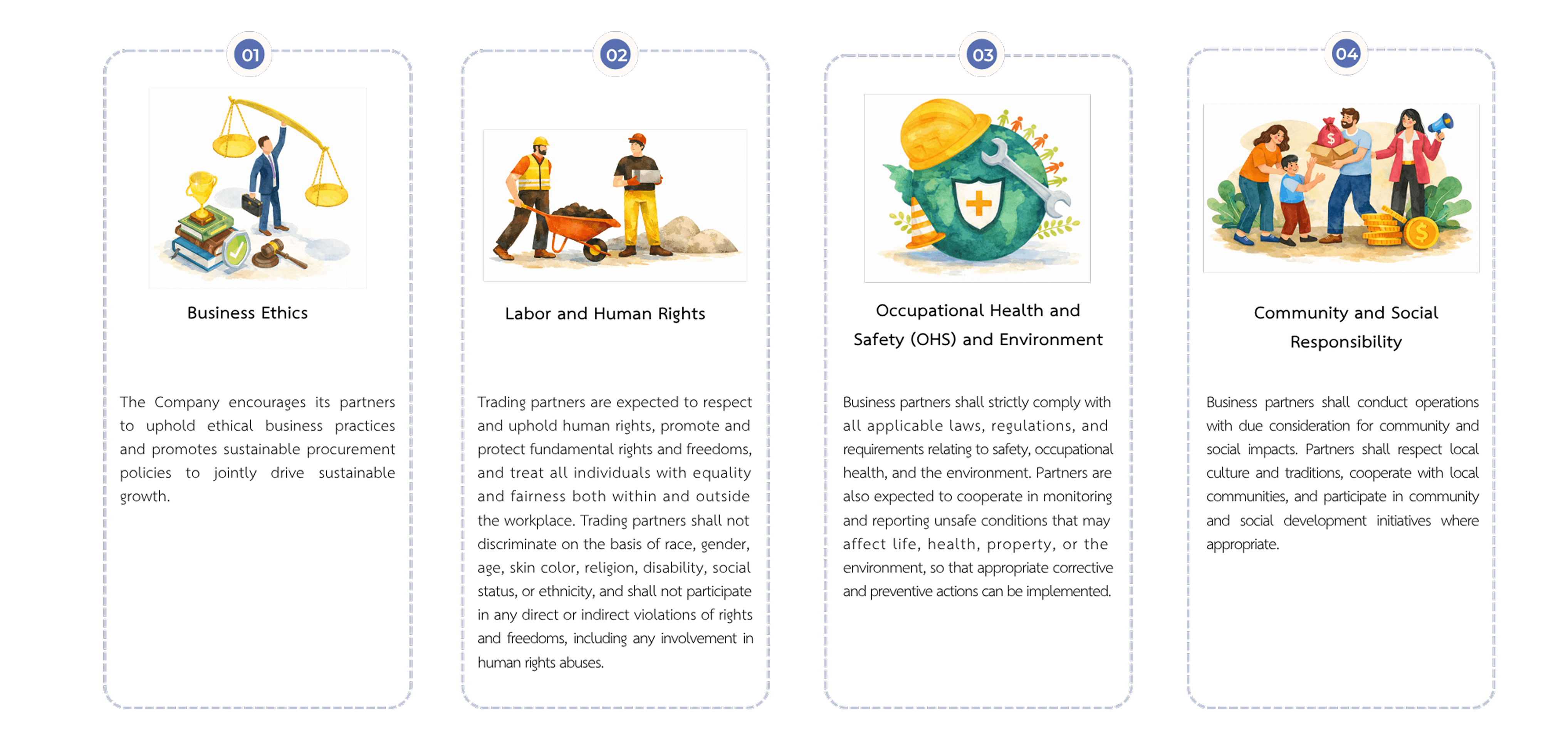
These guidelines reflect DEMCO’s commitment to supporting partners in operating ethically, respecting human rights, and demonstrating social and environmental responsibility, while complying with safety, occupational health, and environmental requirements. The objective is to promote sustainable operations throughout the supply chain and foster long-term growth together. The framework comprises four key approaches, as follows:
Code of Ethics and Best Practices for Business Partners
DEMCO has established a Code of Conduct and Partner Guidelines to promote consistent standards across its supply chain. The objective is to encourage ethical, transparent, and accountable business practices among partners across the DEMCO Group, strengthen cooperation, and support compliance with applicable laws and relevant standards. The Guidelines also aim to prevent corruption and conflicts of interest, build trust, and support long-term sustainability.
The Guidelines emphasize respect for human rights and fundamental freedoms, including fair treatment of workers, non-discrimination, the prohibition of forced and child labor, and the promotion of appropriate working conditions. In addition, they prioritize safety, occupational health, and environmental protection through risk management, impact mitigation, and responsible environmental practices. Finally, the Guidelines encourage consideration of community and social responsibility to support balanced and sustainable collaboration with partners.
Customer Segmentation and Prioritization
Trading Partner Classification Guidelines
DEMCO has established criteria for categorizing business partners to support procurement planning and strengthen the assessment of partner-related risks. Partners are categorized based on the importance of product groups, procurement value, and the level of procurement risk. This approach enables efficient prioritization and targeted risk mitigation, with particular attention to high-value product groups and partners that may pose significant risks and impacts on the Company’s revenue, as follows:
| Group of business partners | Criteria for classifying trading partner groups | Number (cases) | Expressed as a percentage | Value (Baht) | Methods used for evaluation | Assess sustainability risks |
|---|---|---|---|---|---|---|
| Critical Tier 1 Supplier | High-value orders (THB 5,000,000 or more) indicate key business partners in the electrical and civil engineering sectors with direct business impact; partners are assessed using a Sustainability Supplier Self-Assessment Questionnaire (SAQ) to support partner evaluation and selection. | 38 | 6.42 | 1,101,546,865.95 |
|
That accounts for 94.23 percent. |
| Secondary trading partners (non-critical Tier 1 suppliers) | Key business partners that are not direct suppliers to the Company, but provide goods or services to other key business partners (Critical Tier 1). | 554 | 93.58 | 571,467,969.14 |
|
- |
New Business Partner Selection
DEMCO selects new partners based on their capabilities, product and service performance, and alignment with the Company’s sustainability approach to ensure they can meet applicable requirements and standards. In 2025, the Company selected and registered 329 new partners that met the evaluation criteria. In addition, DEMCO incorporates sustainability requirements into all subcontractor contracts.
After partners pass the initial assessment, the Company communicates its environmentally friendly procurement policy, including the Code of Conduct and best practices. Partners are required to sign an acknowledgment confirming their understanding and commitment to comply with the policy.
Key Trading Partner Risk Assessment
DEMCO has established criteria and indicators to assess potential risks and impacts arising from working with partners across key areas. This supports effective decision-making and strengthens sustainability within business processes. The assessment evaluates three risk factors by analyzing the likelihood of occurrence and the severity of impact, and then classifies overall risk levels as shown in the table below.
| level | RISK LEVEL | LIKELIHOOD | FINANCIAL IMPACT (ECONOMIC ASSESSMENT) |
SOCIAL AND GOVERNANCE IMPACTS | ENVIRONMENTAL IMPACT |
|---|---|---|---|---|---|
| 1 | Very low | Occurs less than once every 12 months / Probability < 50% / Very low risk | Not exceeding THB 100,000 / Gross profit variance from estimate ≤ 5% | Minor non-compliance with internal rules or regulations | Minimal environmental impact; can be mitigated or controlled |
| 2 | Low | Occurs once every 10–12 months / Probability 50–59% / Low risk | THB 100,000–500,000 / Gross profit variance from estimate 5–10% | Non-compliance with rules, regulations, or laws that may lead to internal investigation or litigation | Minimal environmental impact; can be resolved within one week |
| 3 | Moderate | Occurs once every 7–9 months / Probability 60–69% / Moderate risk | More than THB 500,000 to THB 2,000,000 / Gross profit variance from estimate 10–15% | Non-compliance with rules, regulations, or laws that results in internal investigation; minor offenses may lead to warnings, probation, or legal action | Moderate environmental impact; requires more time to resolve (1 week–1 month) |
| 4 | High | Occurs once every 4–6 months / Probability 70–80% / High risk | More than THB 2,000,000 to THB 5,000,000 / Gross profit variance from estimate 15–20% | Failure to comply with rules, regulations, or laws resulting in internal investigation and serious offenses, which may lead to dismissal, legal action, or fines | Severe environmental impact; requires more than 1–6 months to resolve |
| 5 | Very high | Occurs once every 1–3 months / Probability > 80% / Very high risk | More than THB 5,000,000 / Gross profit variance from estimate > 20% | Failure to comply with rules, regulations, or laws constituting a serious offense / May result in legal action or prosecution / Transactions may be suspended | Very severe environmental impact / Requires significant resources and time to resolve (> 6 months) |
DEMCO prioritizes assessing sustainability-related risks associated with its partners across three dimensions: economic, social, and environmental.
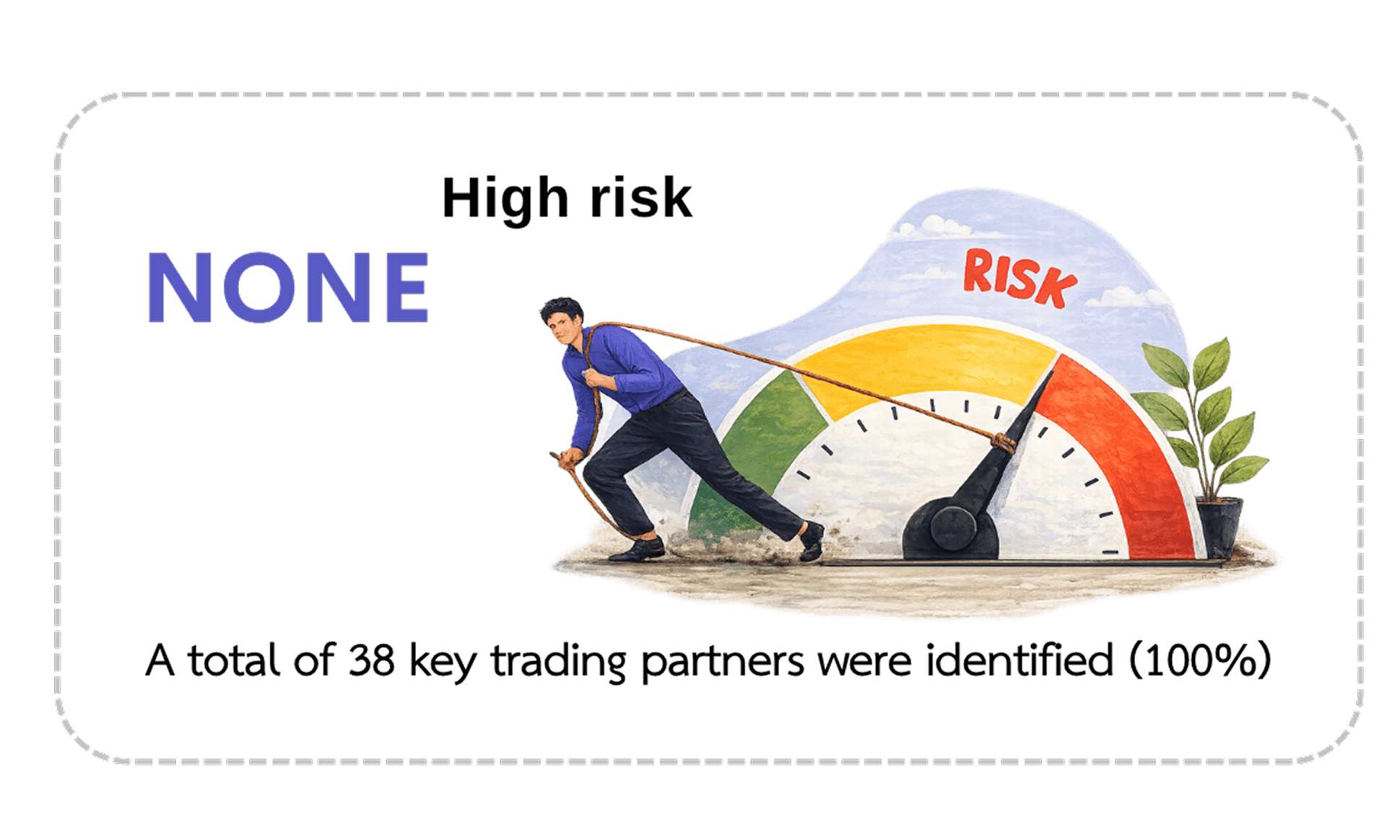
In 2025, the Company identified 38 Critical Tier 1 suppliers, representing 100% of all Critical Tier 1 suppliers. The Company conducted a risk assessment of business partners; the results did not identify any high-risk partners, and most partners were assessed as having a moderate level of risk. If the assessment identifies partners with high to very high risk levels, the Company will apply a systematic risk management approach to bring risks within acceptable levels. Actions include communicating assessment results, conducting on-site ESG audits, and jointly developing corrective and improvement plans with clear responsibilities, timelines, and performance indicators. The Company will also increase the frequency of follow-up and reassessment and support partners in improving operational standards. If required improvements are not achieved according to the plan, or if serious violations are identified, the Company may escalate measures as appropriate, including suspension or termination of the business relationship, taking into account relevant risk factors, as follows:
| Risk | Risk factors | |
|---|---|---|
| Economic aspects |
|
|
| Social risks and corporate governance |
|
|
| Environmental risks |
|
|
Partner Performance Evaluation
DEMCO prioritizes effective partner management to ensure that partners deliver goods and services in accordance with established standards and align with the Company’s sustainability principles. The Company conducts annual partner performance evaluations, with a focus on Critical Tier 1 suppliers and partners identified as higher risk.
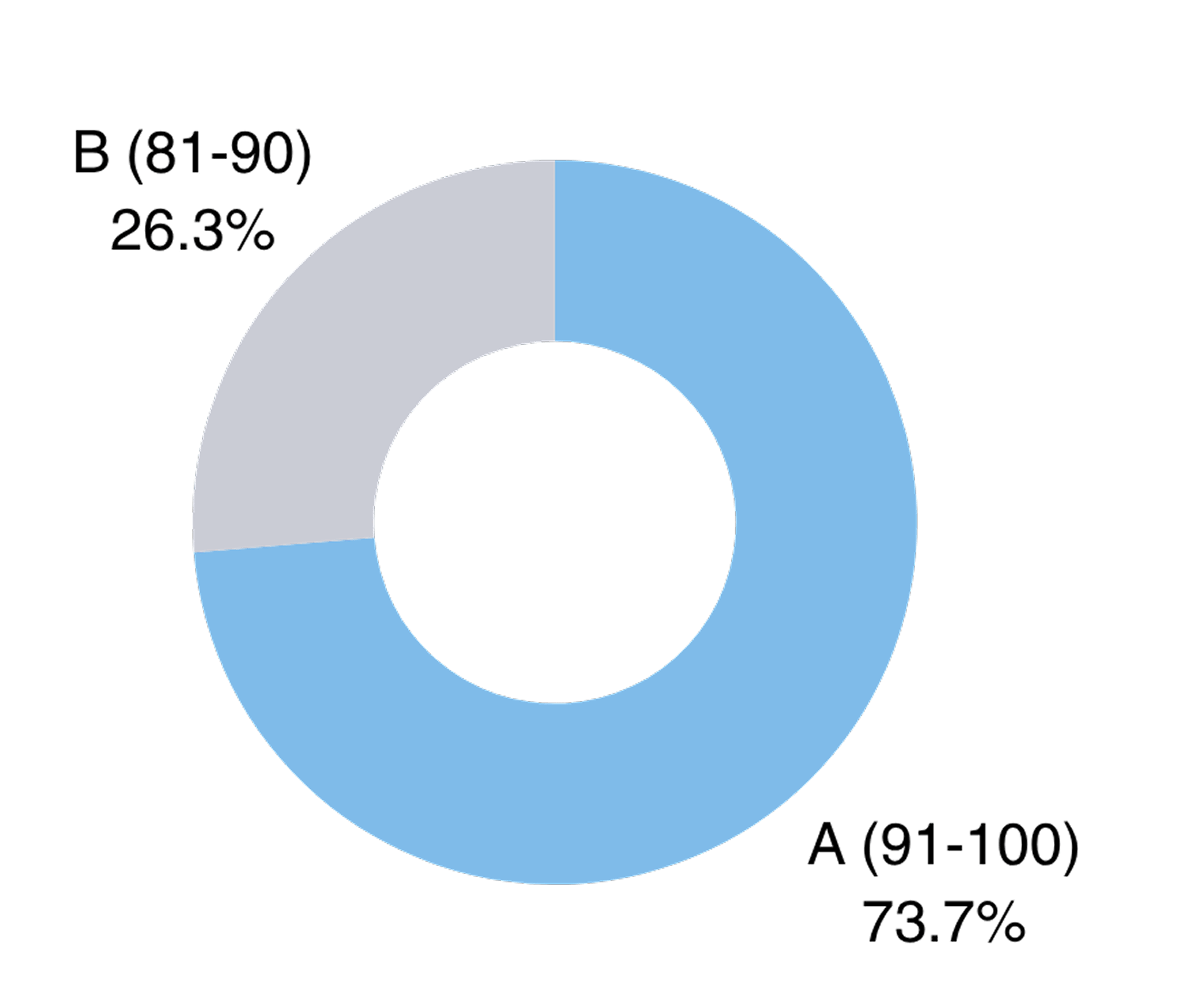
From a sustainability perspective, the evaluation considers three key dimensions—economic, social, and environmental—alongside business performance and environmental aspects. The partner classification criteria and evaluation criteria are summarized as follows:
Partner Performance Evaluation Criteria
| Risk | Risk factors |
|---|---|
| Economic aspects |
|
| Social aspects |
|
| Environmental aspect |
|
| Scoring criteria | Evaluation Results (2025) | ||
|---|---|---|---|
| Score (percentage) | Operation | Number (cases) | |
| > 60 | Communicate evaluation results to business partners and require them to maintain operational standards in line with the Company’s Code of Ethics | 38 |
 |
| < 60 | Inform business partners of evaluation results, specify required improvements, and provide follow-up support; once improvements are verified, the partner may be re-approved and re-registered as a vendor | - | |
Credit Terms Policy for Business Partners
เด็มโก้ได้ดำเนินการจัดทำนโยบายการกำหนดระยะเวลาการชำระเงินให้กับคู่ค้าเพื่อกําหนดระยะเวลาการชําระเงินให้กับคู่ค้า และกําหนดหลักเกณฑ์การจัดการระยะเวลาการชําระเงินเพื่อเป็นมาตรฐานและแนวทางการปฏิบัติเบื้องต้น เพี่อสนับสนุนให้ เด็มโก้ สามารถบริหารจัดการเงินและพัฒนาธุรกิจเติบโตได้อย่างยั่งยืนในการขับเคลื่อนธุรกิจทั้งนี้สามารถศึกษารายละเอียดเพิ่มเติมที่เว็บไซต์ของบริษัท www.demco.co.th ภายใต้หมวดการกำกับดูแลกิจการที่ดี
Purchasing Staff Capability Development
DEMCO provides ongoing training for procurement staff on the Company’s procurement policies, Code of Ethics, and business partner best practices to strengthen understanding and awareness of transparent, fair, and accountable operations. Training topics cover responsible procurement principles, conflict-of-interest and fraud prevention, compliance with applicable laws and regulations, and communication of social expectations across the supply chain. These expectations include respect for human rights, prohibition of child and forced labor, equality and non-discrimination, and the provision of safe working conditions. This helps ensure that partner management is aligned with the Company’s ESG standards in practice.
Training in 2025
- Procurement policy, Code of Ethics & Partner Guidelines — 7 participants
- Sustainable Supply Chain Management — 8 participants
Environmentally Friendly Procurement
DEMCO places great importance on procurement as a key process supporting sustainable business operations. To ensure efficient and effective procurement across the DEMCO Group and promote consistent practices that contribute to sustainable development, the Company builds stakeholder trust through transparent and environmentally friendly procurement.
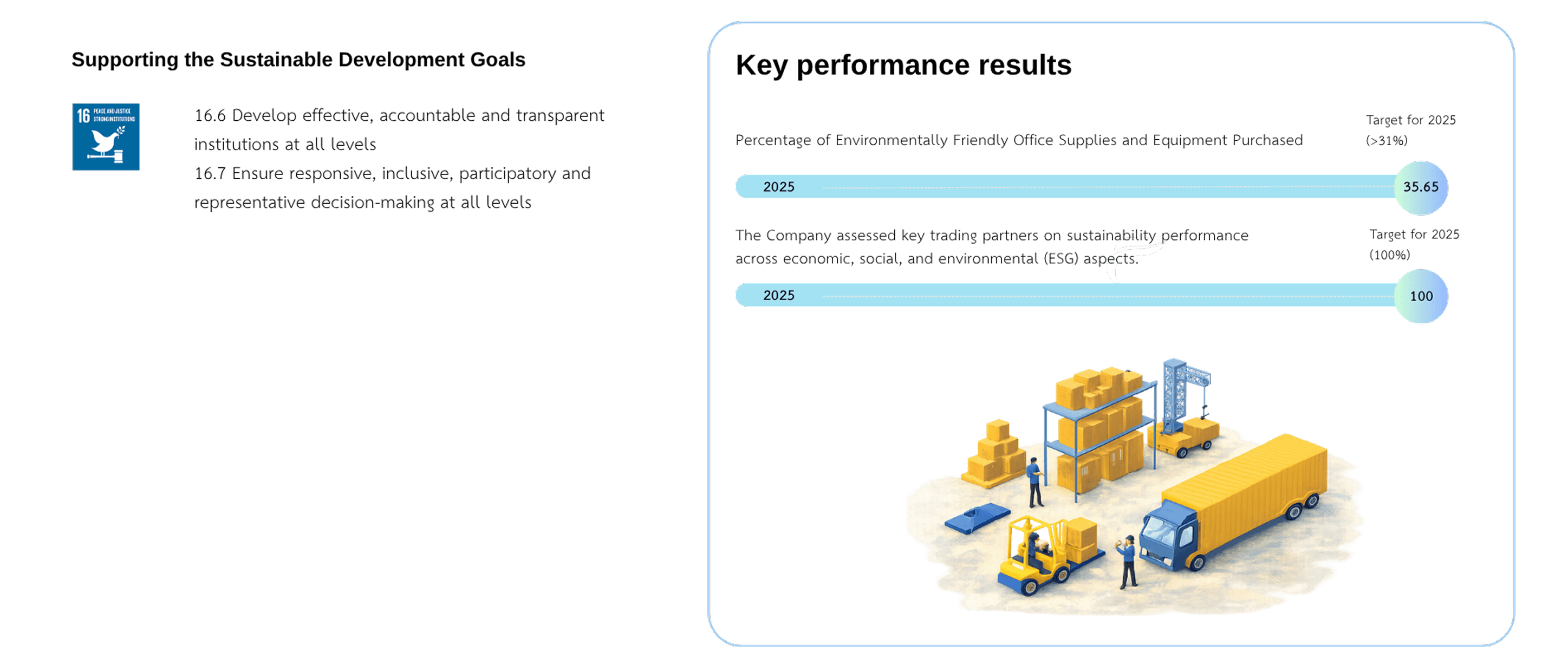
In 2025, DEMCO set a target for environmentally friendly procurement of office supplies, equipment, and consumable items to exceed 31% of total purchases (e.g., paint and rigid PVC pipes). The result showed that environmentally friendly procurement reached 35.65% of total items purchased, achieving and exceeding the target.
Significance
DEMCO strictly complies with its “Corporate Governance Policy and Business Ethics” in delivering quality products and services on time and meeting—or where possible, exceeding—customer expectations under fair business practices. The Company provides accurate, sufficient, and timely information to enable customers to make informed decisions.
DEMCO also places strong emphasis on customer confidentiality. In accordance with its policies and Code of Conduct on confidentiality, data retention, and the use of internal information, the Company safeguards customer information and trade secrets and does not use such information for improper personal gain or for the benefit of related parties.
In addition, DEMCO responds promptly to customer needs and provides effective channels for customer feedback and complaints regarding product and service quality. The Company conducts customer satisfaction surveys and analyzes the results to support quality management system reviews and continuous improvement.
The Company’s Customer Relationship Management Guidelines are as follows:
- Strengthen customer relationships on an ongoing basis by promptly identifying, accessing, and responding to customer needs
- Commit to delivering quality products and services to create a positive customer experience
- Provide products and services that support sustainability and traceability
- Conduct annual customer satisfaction surveys and ongoing engagement activities to enhance customer engagement and ensure timely and effective complaint resolution
- Establish guidelines for the care, retention, and secure storage of contract data, sales agreements, and related documents
Customer satisfaction survey
DEMCO places high importance on customer relationships. The Company conducts annual customer satisfaction surveys to continuously enhance customer engagement and relationships and to support accurate and timely resolution of customer complaints. Survey results are reported to the Board of Directors to inform planning, management, quality improvement, delivery performance, and service development. Relevant insights and customer feedback are also communicated to the responsible departments for follow-up actions. The customer satisfaction survey is conducted in three phases.
Customer Satisfaction Survey Criteria
Phase 1 After the bidding process (within 15 business days after the official bid results are announced)
Phase 2 During project implementation (when work progress reaches approximately 50%)
Phase 3 At project closeout (within 15 business days of the final invoice issuance)
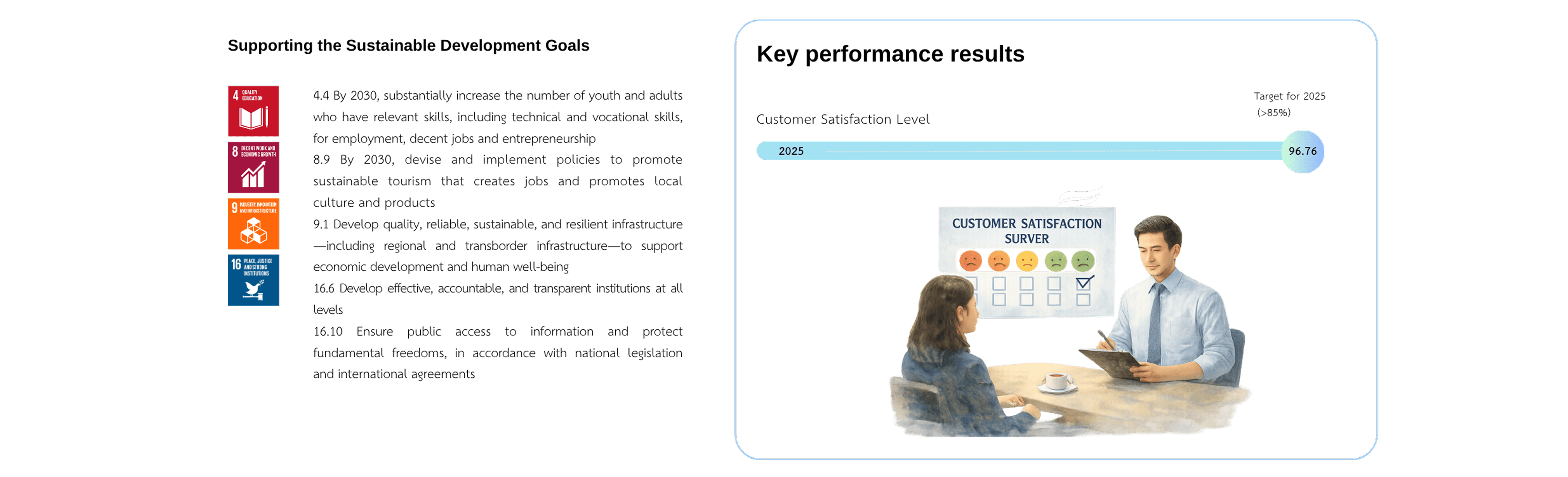
In 2025, overall customer satisfaction reached 96.76%, exceeding the target of 85%. This result reflects effective customer relationship management and the Company’s ongoing efforts to improve product and service quality. The survey results demonstrate DEMCO’s commitment to enhancing service standards, meeting customer needs, and building long-term trust and confidence. DEMCO remains committed to customer-focused business principles and will continue to improve service quality to deliver the best possible customer experience.
2025 Activity Overview
Strengthening Business Partner Relationships
Protecting Customer Data
DEMCO has established robust oversight and protection measures for client data. These include policies and guidelines for managing confidential information and price-sensitive information, a confidentiality agreement policy, and best practices covering data security, data retention, confidentiality, and appropriate data use. In addition, for personal data relating to directors, executives, or employees of client companies, the Company has planned, assessed, and implemented measures to comply with the Personal Data Protection Act B.E. 2562 (2019).
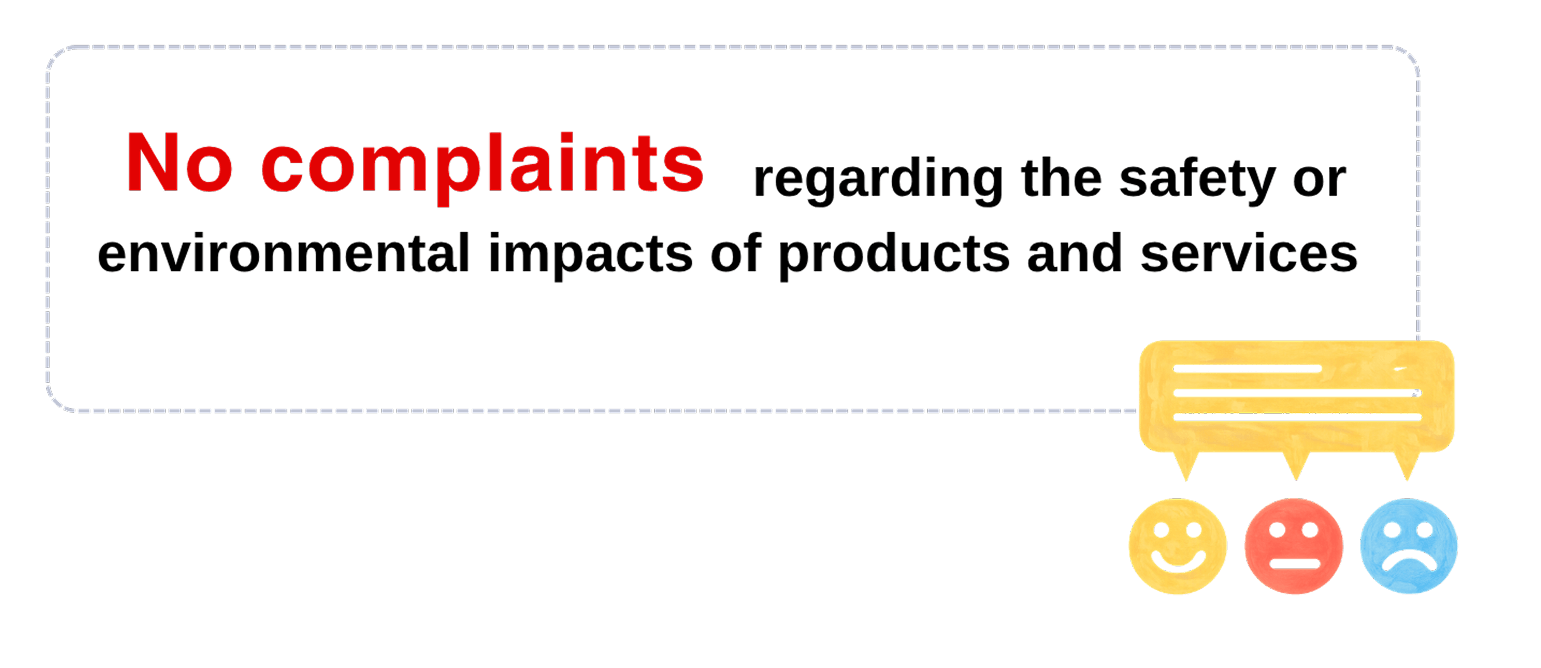
During the reporting period, no data breaches were reported, and the Company received no complaints regarding client data security.